+91 - 9848407907
For a Consultation Call Or
Make An Appointment
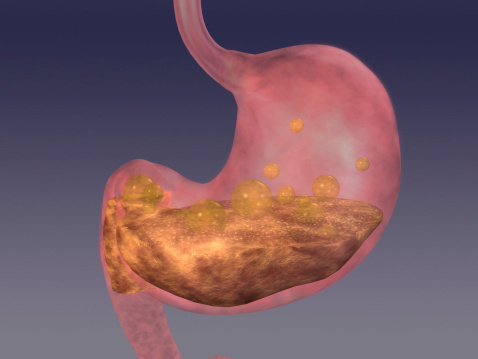
Antral gastritis is an inflammation of the antrum, which is the lower portion of the stomach. This condition can be caused by various factors, including bacterial infections (especially Helicobacter pylori), chronic use of nonsteroidal anti-inflammatory drugs (NSAIDs), excessive alcohol consumption, stress, autoimmune disorders, and certain dietary habits.
Symptoms:
Treatments:
Medications:
Antibiotics: If H. pylori infection is present, a combination of antibiotics may be prescribed to eradicate the bacteria.
Proton pump inhibitors (PPIs): Medications like omeprazole, lansoprazole, or esomeprazole reduce stomach acid production, promoting healing and reducing pain.
H2-receptor antagonists: Medications such as ranitidine or famotidine also reduce stomach acid and can be used as an alternative to PPIs.
Antacids: These can provide quick relief by neutralizing stomach acid.
Cytoprotective agents: Medications like sucralfate or bismuth subsalicylate help protect the stomach lining.
Lifestyle and Dietary Changes:
Avoiding irritants : Reducing or eliminating the intake of alcohol, caffeine, spicy foods, and NSAIDs can help alleviate symptoms.
Eating small, frequent meals: This can help manage symptoms and prevent the stomach from becoming too full.
Stress management: Techniques such as meditation, yoga, or counseling can help reduce stress, which may contribute to symptoms.
Medical Procedures:
In severe or persistent cases, endoscopic procedures may be necessary to assess the extent of inflammation and to rule out other conditions such as peptic ulcers or stomach cancer. In some cases, a biopsy may be taken during an endoscopy to confirm the diagnosis.
Prevention:
ü Avoid clear of anything oily, fried, hot, or acidic
ü Reduce caffeine intake
ü Consume smaller meals
ü C ontrol of stress
ü Reduce your alcohol intake
ü Avoid lying down for a maximum of two to three hours after eating.
Consulting a doctor for an accurate diagnosis and personalized treatment plan is essential if you suspect you have antral gastritis or are experiencing related symptoms.

© All Rights Reserved @ Hardhiks.com 2026
 healthin