
+91 - 9848407907
For a Consultation Call Or
Make An Appointment
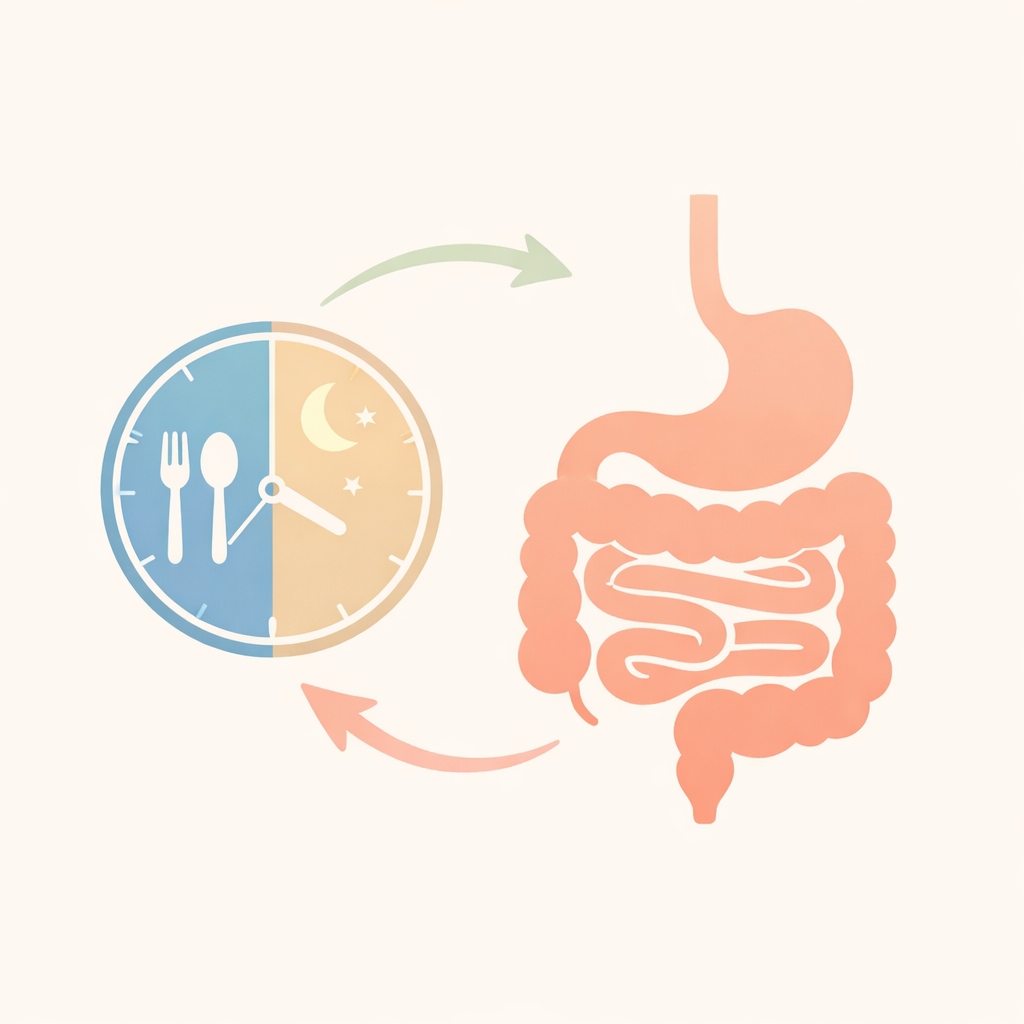
Intermittent Fasting (IF) Has Become One Of The Most Popular Health
Trends In Recent Years. From Weight Loss To Improved Metabolism, It Is Often
Promoted As A Simple And Effective Way To Improve Health. But Is Intermittent
Fasting Truly Healthy For Everyone?
It’s Important To Understand how Intermittent Fasting Affects
Digestion, Metabolism, And Overall Gut Health and Who Should (and
Shouldn’t) Follow It.
What Is Intermittent Fasting?
Intermittent Fasting Is Not About what You Eat, But when
You Eat. It Involves Alternating Periods Of Eating And Fasting.
Common Methods Include:
Potential Health Benefits
Intermittent Fasting May Offer Benefits For Some Individuals When Done
Correctly:
✔ Weight Management
Fasting Can Reduce Overall Calorie Intake And Help Improve Fat
Metabolism.
✔ Improved Insulin Sensitivity
It May Help Regulate Blood Sugar Levels, Especially In People With
Insulin Resistance Or Prediabetes.
✔ Digestive Rest
Giving The Digestive System A Break Can Improve Gut Function In Some
People.
✔ Reduced Inflammation
Some Studies Suggest Intermittent Fasting May Reduce Low-grade
Inflammation.
How Does Intermittent Fasting
Affect Gut Health?
When Practiced Properly:
However, skipping Meals Incorrectly Or Overeating During Eating
Windows Can Worsen Digestive Problems.
Who Should Be Cautious With
Intermittent Fasting?
Intermittent Fasting Is not Suitable For Everyone. It May Worsen
Symptoms In People With:
In Such Cases, Fasting Can Lead To Acidity, Weakness, Bloating, Or
Nutritional Deficiencies.
Common Side Effects
Some People May Experience:
These Side Effects Usually Occur When Fasting Is Not Planned Properly.
Tips For Safe Intermittent
Fasting
If You Plan To Try Intermittent Fasting, Keep These Tips In Mind:
Always Consult A Doctor Before Starting, Especially If You Have Digestive
Or Metabolic Conditions.
Is Intermittent Fasting Right
For You?
Intermittent Fasting Can Be Healthy for The Right Person, At The
Right Time, And In The Right Way. It Is Not A One-size-fits-all Solution.
Your Age, Medical History, Digestive Health, And Lifestyle All Matter.
Conclusion
Intermittent Fasting May Offer Health Benefits, But It Is not
Suitable For Everyone. For People With Digestive Issues, Improper Fasting
Can Do More Harm Than Good. The Key Is personalized Guidance And
Listening To Your Body.
At Hardhik Gastro Liver Clinic
& Scan Center
Dr. Ravisankar Reddy, Senior Consultant Gastroenterologist,
Hepatologist & Endoscopist, Provides Expert Advice On Diet, Digestion, And
Metabolic Health.
Consult Before Starting Intermittent Fasting—your
Gut Health Matters.
© All Rights Reserved @ Hardhiks.com 2018.
 healthin